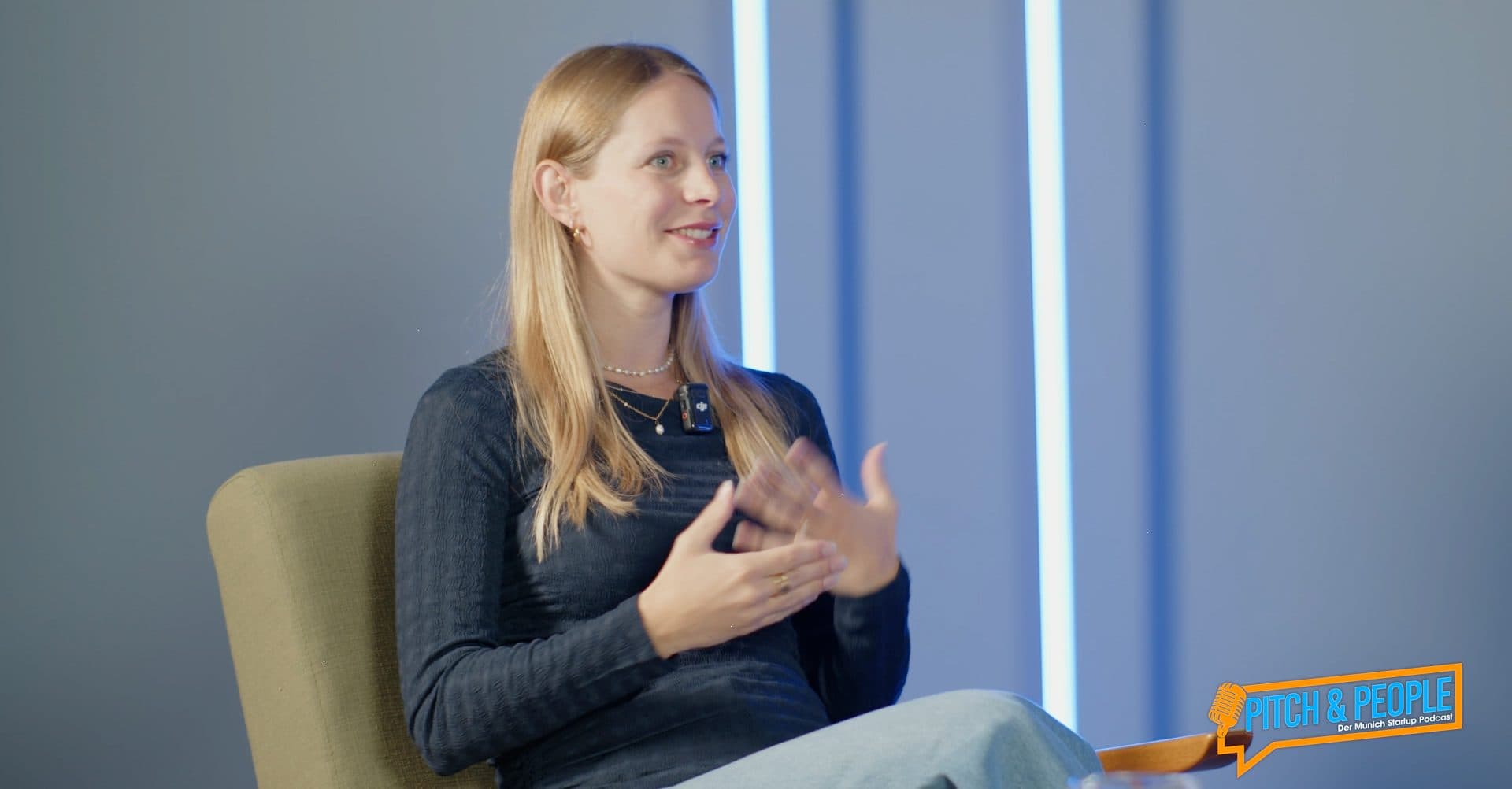

PITCH & PEOPLE Folge 8: Summ AI
Summ AI founder Vanessa Theel talks in the video podcast Pitch & People about the blind spots of German bureaucracy and how her startup uses AI to bring order to administrative chaos. You’ll also learn why true digitalization only begins when administrations understand their own processes.


AI for clarity – outward and inward
Summ AI, founded by Flora Geske and Vanessa Theel, became known initially through a tool that translates texts into plain or simple language. This enables citizens to understand government letters and forms, even without a law degree.
“We make administration more digital and better for citizens,”
says Theel in the Pitch & People interview.
You can also translate journalistic texts from Munich Startup, such as this one, into plain language with a single click in our menu bar at the top right.
But the founders quickly realized: the problem lies not only in outward-facing language, but also in the chaotic processes within. In conversations with digitalization officers from various government agencies and administrations, it became clear:
“In 99 percent of cases, they couldn’t tell us which processes were well digitalized because they don’t even know themselves. When citizens wait 18 months for a letter, it’s not just because of the language – it’s also due to chaotic processes.”
This is exactly where the new Summ AI tool comes in. It automatically documents processes that employees describe via voice or chat. This creates transparent process models that show where work steps are duplicated, pending, or can be automated.
From an aunt to technology
The original idea goes back to the aunt of Theel’s co-founder Flora Geske, who belonged to the target audience for plain language. She had difficulty understanding complex texts – for example, from Tagesschau news.
“We thought: this is a no-brainer. AI is ideal for simplifying texts,”
recalls Vanessa Theel.
Today, Summ AI supports administrations and organizations in making information understandable and barrier-free. Some municipalities already send notices in duplicate – once in the original, once in plain language. For Theel, this is a step toward true participation:
“Administration should meet people where they are.”
Ten million people benefit directly
According to Theel, Summ AI’s core target group is around ten million people in Germany – people with learning difficulties or educational disadvantages, as well as older people with limited concentration.
“But actually, all 80 million benefit. Everyone knows situations where you’re not an expert and feel overwhelmed by technical jargon.”
Major partners like Apotheken Umschau now also rely on plain language. Over 200 articles there have already been made barrier-free – from disease descriptions to medication information. Summ AI combines rule-based procedures with AI models to simplify texts without changing content.
A startup with staying power
Summ AI operates as a B2G startup, meaning it works with administrations and social organizations. The SaaS model is classic: licenses depend on the number of users and text volume. But the market requires patience:
“You need to have a long-term perspective and high frustration tolerance. But the collaboration is incredibly valued,”
says Vanessa Theel.
Despite growing competition for AI talent – also from major players like OpenAI in Munich – motivation remains high. Theel describes the startup day-to-day as a roller coaster, but with a clear mission: reduce complexity – in language and structure.